
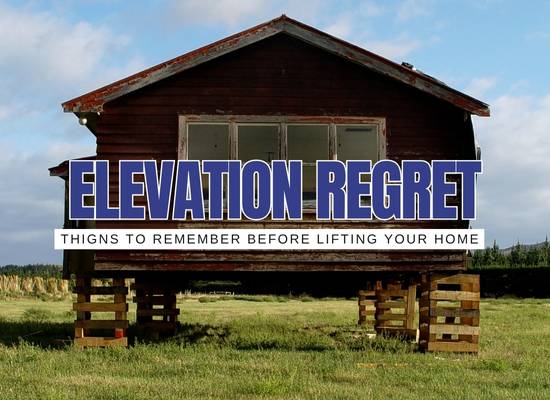
Raising your home might seem like the ultimate defense against flooding, and for some, it is. But it’s not a one-size-fits-all solution. In fact, elevating a house comes with serious risks, unexpected costs, and long-term trade-offs that are often glossed over.
Before you commit to jacking up your life (literally), here are 8 reasons you may want to think twice.
📊 Real Costs to Raise a Home
- Basic Elevation: $50,000–$80,000
- With Engineering & Utilities: $90,000–$150,000+
- Timeframe: 3 to 6 months (or more)
- Temporary Housing: Often required
Even with FEMA grants, out-of-pocket costs can be significant depending on age of home, foundation type, and location.
⚠️ Common Post-Elevation Complaints
- Access becomes difficult for elderly or children
- Reduced curb appeal and resale complications
- Unexpected structural or permit delays
- Insurance savings often less than expected
Elevation is often presented as a one-size-fits-all fix, but many homeowners regret rushing in without fully understanding the trade-offs.
1️⃣ The True Cost Can Be Double What You Expect
The numbers you hear in brochures or grants rarely reflect the full picture. Many homeowners are told the elevation project will cost $50,000 to $80,000. But once you add in engineering fees, permit costs, electrical and plumbing rerouting, foundation reinforcement, and unforeseen complications, it’s not uncommon for totals to hit six figures.
Even with FEMA assistance or local grant programs, homeowners often find themselves facing:
- Temporary housing costs during the months-long process
- Costs for landscaping repair, driveway rework, or fencing after the lift
- New insurance and inspection requirements once elevation is complete
The financial burden can be crushing if you go in unprepared and there are often no refunds if plans change mid-project.
2️⃣ It Can Hurt the Character and Value of the Home
When a home is raised several feet above grade, it often ends up looking awkward or out of place. The staircases alone can make it feel disconnected from the rest of the neighborhood. For historic homes, elevation can ruin architectural integrity and drastically reduce resale appeal.
You may also run into:
- Zoning or HOA conflicts over new height or stair design
- Difficulty getting approval for resale loans or inspections
- Buyers hesitant to purchase a home that looks more like a stilt house than a residence
In trying to protect the house from water, you may accidentally make it far harder to sell or love living in.
3️⃣ Structural Surprises Can Change a lot
Older homes, especially those built before modern codes, often reveal hidden problems once elevation begins. Foundation instability, rotted support beams, termite damage, or previously unknown subfloor issues can turn a standard lift into a structural rescue mission.
What starts as a $70,000 project can balloon quickly when contractors discover:
- Crumbling or poorly poured foundations
- Load-bearing walls that can’t handle the movement
- Non-code electrical or plumbing systems that must be fully upgraded
Once your home is in the air and partially disassembled, backing out isn’t an option. You’re committed, both structurally and financially, even if the complications multiply.
4️⃣ Access Becomes a Long-Term Problem
Elevated homes need stairs, sometimes a lot of them. For families with young children, aging homeowners, or anyone with mobility challenges, daily life becomes harder overnight.
Some long-term concerns include:
- Slippery staircases during rain or storms
- Limited accessibility for deliveries, guests, or emergency services
- Major costs to add lifts or ramps later
Even if it seems manageable now, you need to think 10 to 20 years ahead. Elevation might reduce your flood risk but increase your risk of injury, isolation, or future remodeling.
5️⃣ It Doesn’t Always Lower Flood Insurance Enough to Justify It
One of the biggest selling points for raising a house is the promise of lower flood insurance premiums. While it’s true that elevating your home can reduce your risk rating, the savings don’t always offset the cost of the project, especially if you’re already in a preferred zone or your home has never actually flooded.
Other factors that reduce the financial benefit:
- Insurance companies may still charge high premiums if your area is considered high-risk overall
- New building elevation certificates, inspections, and policy adjustments can cause delays
- Some insurers require additional coverage or documentation post-elevation
In many cases, the premium drop is far less than expected — leaving homeowners disappointed and still paying off the construction loan.
6️⃣ Your Yard and Driveway May Never Be the Same
Raising your home means everything else stays behind, your yard, your garden, your garage slab, your driveway. Unless you also spend extra to build retaining walls, stair landings, ramps, or completely redo the landscape, your once-functional outdoor space can become awkward or unusable.
You might face:
- Steep drop-offs between the house and lawn
- A driveway that no longer reaches the new floor level
- Standing water in areas that used to drain naturally
In short, you fix one problem and create five others, all of which cost more time and money.
7️⃣ Long Construction Timelines Can Disrupt Life for Months
Elevation is not a weekend project. It’s often 3–6 months of heavy equipment, loud work, driveway blockages, and no access to your own home. Many families are forced to rent temporary housing while their home sits half-built on steel beams.
Problems during this phase can include:
- Permit or inspection delays
- Contractor shortages or scheduling gaps
- Unexpected weather that pauses work for weeks
It’s a long process, and if you have school-aged kids, pets, or a remote job, the disruption can feel endless.
8️⃣ There May Be Better Alternatives for Your Property
In many cases, you can achieve similar flood protection without going vertical. Depending on your home and location, you might be better off investing in:
- Perimeter flood barriers or smart flood gates
- Interior waterproofing and sump systems
- Elevating only critical systems like HVAC and electrical
- Relocating completely if it’s your third flood in a decade
Raising your house is often pushed as the only solution, but for many homeowners, it’s the most expensive and disruptive option, not the smartest one.
I’m not here to say no one should ever raise their house. For some homeowners, especially those facing repeat flooding, it might be the right move. But it’s a major decision with serious trade-offs, and I’ve learned that it’s not as straightforward as it’s often made to seem. My goal here is to lay out the lesser-known downsides so others can weigh all the factors before taking that step. If you’re considering elevation, take your time, ask a lot of questions, and make sure it’s the best fit for your situation, not just the most obvious one.