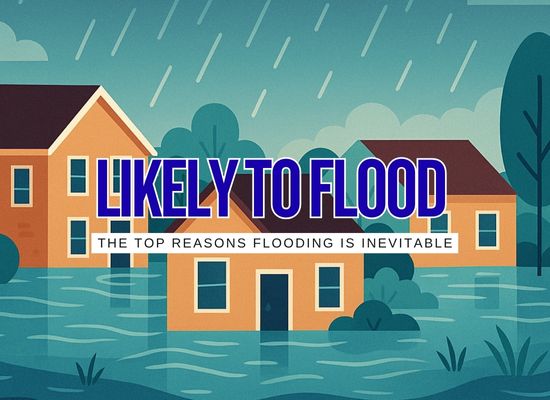
Flooding rarely happens at random. Most of the time, a handful of underlying factors, from geographic setting to human development patterns stack the deck against certain neighborhoods long before a storm cloud forms. Understanding these factors is the first step toward smarter land‑use decisions and more resilient infrastructure. Below are the first two key reasons, each presented in a clean, easy‑to‑share HTML callout you can paste directly into your site.
1️⃣ Low‑Lying Topography & Natural Drainage Paths
Communities situated in river valleys, deltas, coastal plains, or former wetlands sit at or below nearby water levels. During heavy rain, storm surge, or rapid snowmelt, water follows gravity along the path of least resistance, straight toward these natural collection points. Even modest rainfall can overwhelm soil infiltration and existing drainage capacity when the terrain is flat or depressed.
- Riverine areas face backwater effects when swollen rivers reverse or slow outflow.
- Coastal plains are exposed to both tidal inundation and inland runoff converging from higher ground.
- Former marshlands retain high water tables, shortening the distance between the surface and saturation point.
Mitigation begins with accurate elevation mapping, preserving natural floodplains as green space, and steering new construction toward higher ground or engineered pads.
2️⃣ Impervious Surfaces & Urbanization
As neighborhoods replace vegetation with asphalt, rooftops, and compacted soil, rainfall that once soaked into the ground now races across hard surfaces. Storm sewers quickly reach capacity, forcing excess water onto roads and into basements.
- Paved areas generate up to 10 × more runoff than natural ground cover of equal size.
- Older drainage networks often lack the pipe diameter or detention basins to handle present‑day impervious loads.
- Construction infill raises land elevations unevenly, redirecting water toward lower, legacy lots.
Cities reduce this risk by adding permeable pavement, green roofs, rain gardens, and detention ponds that delay runoff, giving storm drains time to clear.
3️⃣ Aging or Inadequate Drainage Infrastructure
Many communities rely on stormwater systems built decades ago, often designed for weather patterns and population sizes that no longer apply. As rainfall intensity increases and urban density expands, these old systems simply can’t keep up.
- Narrow pipes, broken culverts, or clogged storm drains lead to localized street and basement flooding.
- Combined sewer systems (storm + sewage) are overwhelmed quickly, risking backups into homes.
- Lack of pump stations in low-elevation zones prolongs standing water during storms.
Communities must invest in modernizing their drainage systems with updated sizing standards, backup power sources, and routine inspection schedules.
4️⃣ Climate Change & More Intense Rainfall
Changing climate patterns are increasing the frequency and severity of extreme rainfall events, especially in regions that were not historically prone to such deluges. This overloads natural systems and engineered defenses alike.
- “100-year storms” are occurring every few years in some locations.
- Warmer air holds more moisture, leading to longer and more intense rainfalls.
- Flash flooding occurs with little warning due to quick saturation of soils and surging water flow.
Planning for past weather no longer suffices. Updated flood modeling must account for future conditions and build with a safety margin for what’s coming, not just what’s been.
5️⃣ Loss of Wetlands and Natural Buffers
Wetlands, forests, and marshes act like sponges, absorbing and slowing water before it enters rivers or storm drains. But in many growing communities, these buffers have been drained, filled, or developed entirely, removing a natural line of defense.
- Wetland removal can increase downstream flood risk by 30% or more.
- Natural buffers filter debris and reduce erosion during storm surges.
- Once destroyed, restoring these ecosystems takes decades and high investment.
Preserving or restoring wetlands around rivers, coastlines, and lowlands helps control runoff and gives communities breathing room during storms.
6️⃣ Development in Historical Flood Zones
In some regions, homes and commercial developments have been approved in areas with a long history of flooding, either because of outdated zoning laws, political pressure, or a lack of floodplain enforcement. This puts residents directly in harm’s way.
- Floodplain maps may be decades old and underestimate current risk.
- Many flood-prone neighborhoods lack access to affordable flood insurance or accurate risk disclosures.
- Repeated flood losses can lead to disaster relief dependency and economic stagnation.
Communities can reduce risk by reevaluating zoning, buying out high-risk properties, and enforcing stricter development setbacks near waterways.
7️⃣ Poorly Maintained Infrastructure
Even when communities have adequate flood control systems on paper, lack of maintenance often turns assets into liabilities. Clogged drains, overgrown canals, and neglected levees make flood defenses unreliable, especially during high-stakes events.
- Blocked storm drains can turn a routine rain into a neighborhood flood.
- Levees and retention ponds degrade over time and require inspections.
- Trash and vegetation buildup slows water movement and increases standing water.
Routine maintenance and community awareness programs can significantly improve system reliability and reduce flood exposure.
8️⃣ Lack of Community Awareness & Planning
Some communities remain unprepared for flooding simply because residents and leaders underestimate the risk, or don’t know how to respond effectively when floods strike. Without proactive education and planning, response time suffers and recovery drags out.
- Many residents don’t know their flood zone or evacuation route.
- Small towns may lack emergency response coordination or alert systems.
- Grant opportunities and mitigation funding often go unused due to lack of technical knowledge.
Improving community outreach, risk mapping, and local leadership training empowers residents to act before, during, and after a flood, saving lives and lowering damages.