
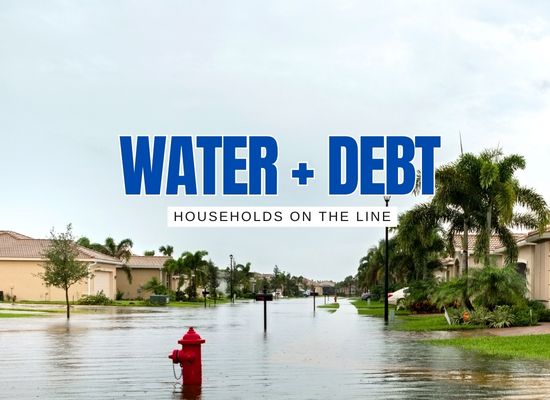
Mortgage markets don’t like surprises and floods are the most expensive “surprise” most homeowners face. In 2025, the gap between where people think flood risk is and where it actually is has grown, while insurance gets pricier or harder to find in the very places that need it. This guide breaks down who’s most exposed right now (by location, loan conditions, and insurance status), how that exposure turns into delinquencies, and what to do before the next storm shows up on radar.
Mortgage Risk + Flood: Who’s Most Exposed in 2025?
Where exposure concentrates, how it becomes mortgage stress, and the moves to make now.
| National scale (2025) | |
|---|---|
| Homes at severe/extreme flood risk | ~6.1% of U.S. homes (~$3.4T of value) |
| Hidden risk outside FEMA zones | ~2 million homes (~$1T of value) |
Source: 2025 Realtor.com Climate Risk report using First Street data.
| Insurance market stress (2024–2025) | |
|---|---|
| Trend | Major carriers scaling back or exiting high-risk states; premiums up under Risk Rating 2.0 caps |
| Effect | Lower take-up rates, more lapses, more uninsured losses after floods |
Sources: FEMA Risk Rating 2.0 updates; national reporting on insurer retrenchment.
- Texas Gulf Coast (Houston–Galveston, Corpus, SPI): large uninsured population; Harris County shows very low flood-insurance penetration despite outsized claims history.
- Louisiana (New Orleans metro + river parishes): high property-level flood risk; many listings carry substantial risk ratings.
- Florida Gulf & Atlantic corridors: dense coastal metros with elevated surge/precip risk and insurance affordability challenges.
- Carolinas & Georgia barrier islands: rapid growth + shallow water tables; pockets of underinsurance.
| Profile | Why It’s Exposed |
|---|---|
| Outside FEMA SFHA, high real risk | No lender mandate → often uninsured; losses hit savings first, then mortgage |
| Inside SFHA but lapsed/underinsured | Premium jumps or escrow errors → coverage gaps when flood hits |
| Insurance “hard market” ZIPs | Carrier exits → forced-placed policies (costly) or total gap |
| Low reserves / high DTI | Small shock (deductible + repairs) tips into delinquency |
DTI = debt-to-income. SFHA = FEMA Special Flood Hazard Area.
- Uninsured/underinsured loss drains cash for gutting, mold, and temp housing; even insured claims have cash-flow gaps (deductibles, ALE limits).
- Collateral damage drives value down (stigma, repair lag), narrowing refinance/sale exits.
- Insurance shock: post-event premium resets or forced-placed policies raise escrow; payment jumps arrive months after the storm.
- Servicing friction: delayed inspections, adjuster bottlenecks, and partial disbursements slow repairs; repeat delinquencies follow.
- Risk Rating 2.0 caps increases at ~18%/yr to full-risk rate, but total premiums are rising in many coastal counties.
- State-level carrier pullbacks raise odds of coverage lapses or expensive forced-place policies.
- Federal reinsurance programs help with tail risk but do not solve household affordability.
Implication: affordability pressure → lower take-up → bigger uninsured losses → higher mortgage stress post-event.
- Some appraisal language downplays hazard comparables even under stricter flood standards, potentially masking risk.
- Listings now show climate scores on major portals, shifting buyer expectations in high-risk metros.
Implication: valuation practices and listing disclosures can either transmit or bury flood risk in loan decisions.
| Step | What to Do | Why It Helps |
|---|---|---|
| Verify real risk | Check FEMA map and a property-level risk model; print both | Find “hidden” risk outside SFHA; informs insurance choice |
| Right-size flood coverage | Get NFIP + private quotes; confirm building, contents, ALE | Avoid gaps that become out-of-pocket → missed payments |
| Lower your deductible shock | Set a “flood reserve” equal to your deductible + first repair draw | Bridges the cash-flow gap right after a loss |
| Document everything | Photos, receipts, contractor bids in a cloud folder | Speeds claim and servicer loss-draft releases |
| Ask your servicer now | “What’s your flood loss process? How are funds disbursed?” | Fewer surprises when you need funds for repairs |
ALE = Additional Living Expenses. NFIP = National Flood Insurance Program.
- Track flood-insurance take-up at ZIP level; escalate where lapses spike.
- Overlay hazard + insurance availability + borrower reserves to flag “stress clusters.”
- Proactive hardship/forbearance playbooks for declared disasters; fast loss-draft releases tied to inspections.
- Portfolio pricing: pilot risk-based escrow reserves or mitigation credits (elevations, flood vents).
| Metro/Region | Why It’s Exposed | Watch-Item |
|---|---|---|
| Houston–Harris County, TX | Millions at risk; very low flood-insurance penetration vs. loss history | Monitor take-up; outreach on private + NFIP options |
| New Orleans, LA | Highest listing-level flood risk among large metros in recent analyses | Escrow shocks from premium changes; ensure continuous coverage |
| Florida Gulf/Atlantic corridors | High property-level risk + tightening insurance markets | Forced-placed policy risk; affordability counseling at renewal |
Use local data—this table is a starting map, not a limit.