
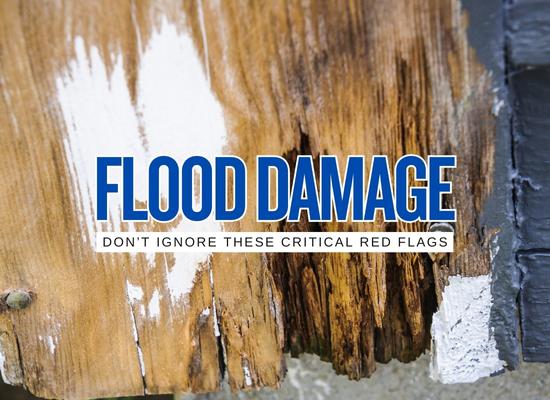
The water’s gone. The floors are drying. You think the worst is over. But in a flooded home, the real damage doesn’t always show up right away. Some of the most expensive, dangerous problems are hidden behind walls, under floorboards, and inside your air.
Many homeowners clean up, repaint, and move on, only to discover weeks or months later that their home is falling apart from the inside. Don’t make the same mistake.
🖨️ Quick Print PDF List
1️⃣ Warping or Buckling Floors (Even Slightly)
Floodwater doesn’t need to be deep to ruin flooring. Even after surface water is removed, trapped moisture underneath hardwood, laminate, or vinyl can cause boards to lift, ripple, or separate days later.
- Look for uneven spots underfoot
- Watch for raised corners or cracking seams
- Walking on warped floors can make structural damage worse
2️⃣ Outlets That Feel Warm or Flicker
Floods and electricity are a dangerous mix. If any outlets or switches feel warm, spark, or flicker lights after the flood, stop using them immediately.
- Moisture inside your walls can corrode wiring
- Risk of short circuits or electrical fire increases over time
- You may need a full inspection and rewiring of affected zones
3️⃣ Musty Smells That Linger After Cleaning
Even if you’ve cleaned thoroughly, that persistent musty smell is a red flag. Mold doesn’t wait — it starts forming within 24 to 48 hours, especially in hidden spaces.
- Odors often come from inside walls, HVAC ducts, or insulation
- Spraying air fresheners only masks the problem
- Professional remediation may be required to prevent health risks
4️⃣ Doors and Windows That Don’t Close Right
Moisture can swell wood framing and cause foundation shifts that throw off alignment. If a door that used to close smoothly now sticks or scrapes, something moved.
- Check frames for visible warping or gaps
- Swollen window sills may lead to rot or pest entry
- This can signal deeper structural movement underneath the surface
5️⃣ Cracks Appearing in Walls or Ceilings
Hairline cracks might not look like much, but they can signal real stress behind the scenes. Water can weaken framing or cause the foundation to shift slightly, which puts pressure on drywall and plaster.
- Check for new cracks near windows, doors, or corners
- Horizontal or jagged cracks are more serious than vertical ones
- Don’t just patch — get a structural inspection if cracks keep spreading
6️⃣ HVAC System Making Unusual Noises or Smells
Floodwater reaching your furnace, air handler, or ductwork can lead to silent but severe damage. Rust, mold, and electrical faults can all hide inside your system.
- Musty smells through vents = likely mold in ducts
- Buzzing, humming, or clicks may indicate electrical damage
- Even elevated humidity in the system can lead to future breakdowns
7️⃣ Visible Rust on Appliances or Water Heater
Flooding doesn’t just short out appliances — it also starts slow corrosion. Rust on the bottom or rear of appliances like washers, dryers, and water heaters often means there’s moisture still trapped or internal damage already underway.
- Look under units with a flashlight, not just at the front
- Check for rust-colored stains on the floor or baseboards nearby
- Affected appliances may lose efficiency or fail without warning
8️⃣ Foundation Appears Damp Long After the Rain
If your slab or crawlspace stays damp days or weeks later, the water didn’t fully drain — or it’s coming back.
- Pooled water or persistent dampness is a sign of poor drainage
- Cracks, efflorescence (white powder), or soft spots are warning signs
- Left untreated, this leads to long-term foundation deterioration
9️⃣ Baseboards or Trim Separating from the Wall
Water causes wood to swell, but when it dries too quickly or unevenly, it shrinks — and that’s when trim starts to pull away.
- Look for gaps between trim and drywall
- Even a slight separation may signal deeper wall saturation
- Don’t just nail it back — check behind it for mold or rot first
🔟 Peeling Paint or Bubbling on Walls
Moisture trapped inside walls will try to escape — and when it does, the first sign is usually blistering or bubbling paint.
- Bubbles, ripples, or soft spots can appear days or weeks later
- This often means insulation or wallboard is still damp
- If ignored, mold can grow behind the surface without any visible signs
1️⃣1️⃣ Soggy Insulation in Walls or Attic
Insulation acts like a sponge — once it’s wet, it holds water deep inside the wall for weeks.
- R-values plummet once insulation is saturated
- Wet insulation is nearly impossible to dry and must be replaced
- It often smells fine because it’s hidden — but mold loves it
1️⃣2️⃣ Light Fixtures or Ceiling Fans That Act Weird
If your fixtures flicker, make noise, or stop working after a flood, take it seriously. Water may have reached junction boxes or soaked into ceiling cavities.
- Turn off power to affected areas and avoid using the fixture
- Check ceilings for sagging, spots, or soft drywall around lights
- This kind of damage often requires both electrical and ceiling repairs
1️⃣3️⃣ Sudden Increase in Allergy or Asthma Symptoms
You might not see mold, but your body reacts before your eyes do.
- Coughing, sneezing, and tightness in the chest can increase indoors
- Kids and elderly are especially vulnerable
- Often triggered by spores hidden behind walls or under flooring
1️⃣4️⃣ Mold Growing in Unexpected Places
If you see mold on ceiling corners, high walls, or places that didn’t even touch floodwater, it means spores have already spread through the air.
- Mold spreads fast via HVAC systems and humid air
- Check closets, behind furniture, and upper walls for small black or green patches
- Cleaning visible mold without stopping the source often makes things worse
1️⃣5️⃣ Wood Cabinets Feel Soft or Smell Strange
Even above-ground cabinets soak up humidity during a flood.
- Warping, spongey bottoms, or a sour smell = internal water damage
- Check inside corners and under drawers
- Cabinets may look fine but rot from the inside out
1️⃣6️⃣ Water Stains That Keep Growing
Water stains aren’t just a cosmetic issue — they’re often active.
- If a stain is getting larger days after the rain has stopped, something is still wet
- This could be trapped moisture, a slow leak, or rising humidity
- Monitor with a pencil mark or tape to see if it spreads
1️⃣7️⃣ Pest Activity Suddenly Increases
Floods drive pests indoors — and waterlogged wood attracts them.
- Watch for ants, roaches, termites, and even snakes in some areas
- Wet insulation and wood create ideal breeding environments
- Insect trails or droppings often show up before the pests themselves
1️⃣8️⃣ Interior Walls Feel Cold and Damp to the Touch
Even if they look dry, your walls may still be soaked inside.
- A cold, clammy feeling on drywall is a red flag
- You can test with a moisture meter or by taping a clear plastic sheet over the wall for 24 hours
- If condensation forms, your wall isn’t dry yet
When the water goes down, it’s easy to think the danger is over. But flood damage is sneaky. It hides, it spreads, and it grows over time — long after the fans are turned off and the carpets feel dry.
If you spot any of these signs, don’t wait. Call a professional, start documenting everything, and make sure your cleanup didn’t just mask a bigger problem underneath. Dry doesn’t always mean safe — and “later” often means more expensive.