
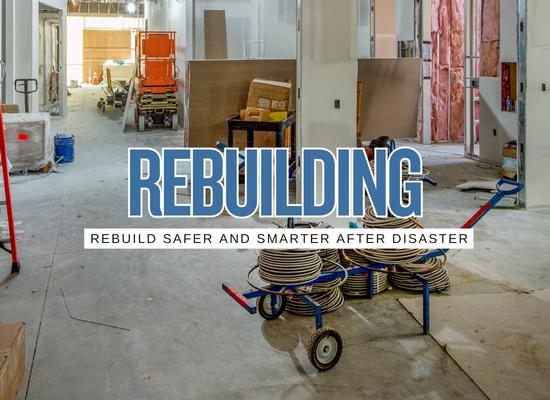
The floodwaters may be gone but the real work is just beginning. Rebuilding after a flood isn’t just about hammer and nails. It’s a maze of inspections, insurance delays, and tough choices about what to restore and what to replace. Whether you’re doing it yourself or hiring help, these tips will help you rebuild smarter, safer, and stronger so the next flood doesn’t hit quite as hard.
1️⃣ Document Everything Before You Start
Before you tear out a single wall or toss a piece of furniture, grab your phone and document the damage.
- Take wide shots of each room
- Zoom in on anything water-damaged (flooring, drywall, appliances)
- Include timestamps when possible
🧾 Importance: Insurance adjusters may take weeks to arrive, and proof of damage is your leverage when negotiating claims or FEMA assistance.
2️⃣ Tear Out Wet Materials Immediately
Water-logged drywall, flooring, and insulation need to be removed ASAP—ideally within 24 to 48 hours. Mold doesn’t wait, and neither should you.
- Cut drywall 12–18 inches above the waterline
- Rip out carpeting, padding, and soggy wood
- Use gloves, masks, and protective gear
⚠️ Importance: Mold can start forming in less than 48 hours, making your home hazardous and adding thousands in remediation costs if you delay.
3️⃣ Don’t Rebuild Until You’re Fully Dry
No matter how eager you are to restore your home, rebuilding over damp materials is a recipe for disaster.
- Use industrial fans and dehumidifiers for days (or weeks)
- Check moisture levels in studs and subfloors with a meter
- Remove any remaining musty odors before rebuilding begins
🌬️ Importance: Trapped moisture causes mold, rot, and structural damage over time. Starting too soon may mean doing it all over again later.
4️⃣ Get a Professional Mold Inspection
Even if everything looks clean and smells fine, mold can lurk behind walls or under floors—especially in older homes or humid climates.
- Hire a licensed mold inspector (not just a contractor)
- Ask for a written report and lab-tested results
- Don’t rely on bleach alone—professional remediation may be needed
🧪 Importance: Mold exposure can trigger serious health issues, especially in children, seniors, and anyone with asthma or allergies. Early detection can prevent long-term risks and save your rebuild.
5️⃣ Upgrade to Flood-Resistant Materials
If the water’s already been in once, there’s a good chance it’ll come again. When rebuilding, use materials that can stand up to future floods.
- Install tile or vinyl flooring instead of carpet or wood
- Use mold-resistant drywall (“green board”)
- Elevate electrical outlets and appliances above typical flood height
🔧 Importance: Investing in flood-resistant materials now can reduce damage, downtime, and repair costs when the next flood hits.
6️⃣ Check for Hidden Structural Damage
Flooding doesn’t just damage what you see—it can weaken your home’s bones.
- Inspect foundation for cracks or shifting
- Check floor joists, subflooring, and support beams for warping or rot
- Hire a structural engineer if there’s any doubt
🏚️ Importance: Structural damage isn’t always obvious but can put your family at serious risk. Catching it early ensures your rebuild is safe and long-lasting.
7️⃣ Work with Licensed, Local Contractors
After a major flood, out-of-town “storm chasers” often flood the area offering quick fixes. Be cautious.
- Ask for licenses, insurance, and references
- Get multiple written estimates
- Check local reviews or Better Business Bureau ratings
🛠️ Importance: Using vetted local pros means faster response times, better accountability, and lower risk of fraud or unfinished work.
8️⃣ Review (and Rethink) Your Insurance Coverage
Once you’ve been through a flood, you really understand what your policy does—and doesn’t—cover.
- Revisit your flood insurance and homeowners policy
- Consider adding contents coverage or business interruption coverage if applicable
- Ask your agent about coverage for repeat flooding or mitigation incentives
📄 Importance: Better coverage now could mean the difference between a fast recovery or financial disaster next time.
9️⃣ Document the Rebuild for Future Claims or Sales
Keep a record of everything you repair, upgrade, or replace—you may need it for future floods, appraisals, or insurance questions.
- Take before-and-after photos
- Save receipts, invoices, and warranties
- Note improvements like elevation changes or water-resistant upgrades
📂 Importance: Organized documentation strengthens your position for future claims and can boost resale value when it’s time to move.
🔟 Apply for Recovery Grants and Local Aid
Don’t just rely on insurance—there are often state, federal, and nonprofit resources that can help.
- Apply for FEMA disaster assistance if eligible
- Check for state housing or rebuilding grants
- Look into local nonprofits offering tool loans, cleanup crews, or building supplies
💰 Importance: Rebuilding is expensive, but you may qualify for more help than you realize—especially if you act early before funds run out.
1️⃣1️⃣ Rebuild Higher If Possible
If your home flooded once, it’s likely to flood again. Many cities and FEMA programs offer incentives for raising your home or key components.
- Elevate electrical panels, water heaters, and HVAC units
- Raise living space above base flood elevation (BFE)
- Check if elevation improvements qualify for insurance discounts
🏗️ Importance: Elevating even a few feet can drastically reduce damage and lower your long-term flood insurance premiums.
1️⃣2️⃣ Focus on Resilience, Not Just Restoration
Don’t just rebuild what you had—rebuild stronger. Think of this as a chance to flood-proof your life as much as possible.
- Install sump pumps and backflow valves
- Landscape with drainage and runoff in mind
- Consider permeable driveways or rain gardens to manage water
🛡️ Importance: Every smart choice you make now increases your home’s ability to withstand the next storm—and gives your family peace of mind.
Rebuilding with Strength and Smarts
Flooding may knock you down, but it doesn’t have to keep you there. Rebuilding isn’t just about patching holes, it’s about creating a home that’s safer, smarter, and more resilient than before. With the right plan, support, and mindset, your next chapter doesn’t just start, it starts stronger.